Why I Write the Stories I Do
"On houses that remember, guilt that lingers, and the horror of inheritance"
I’ve always been drawn to the kind of horror that arrives quietly.
Not the sudden shock. Not the spectacle. But the slow, insistent feeling that something has already gone wrong — and that everyone involved has learned to live around it.
The stories I write tend to circle the same ideas: houses that feel too aware, families bound by silence, memories that refuse to stay buried. These are not coincidences. They’re echoes of the way I experience fear — as something cumulative, something inherited, something that settles into walls and bloodlines alike.
I’m less interested in monsters than in aftermath.
What happens after the door closes.
After the fire dies down.
After everyone agrees not to talk about it.
That’s where horror becomes intimate.
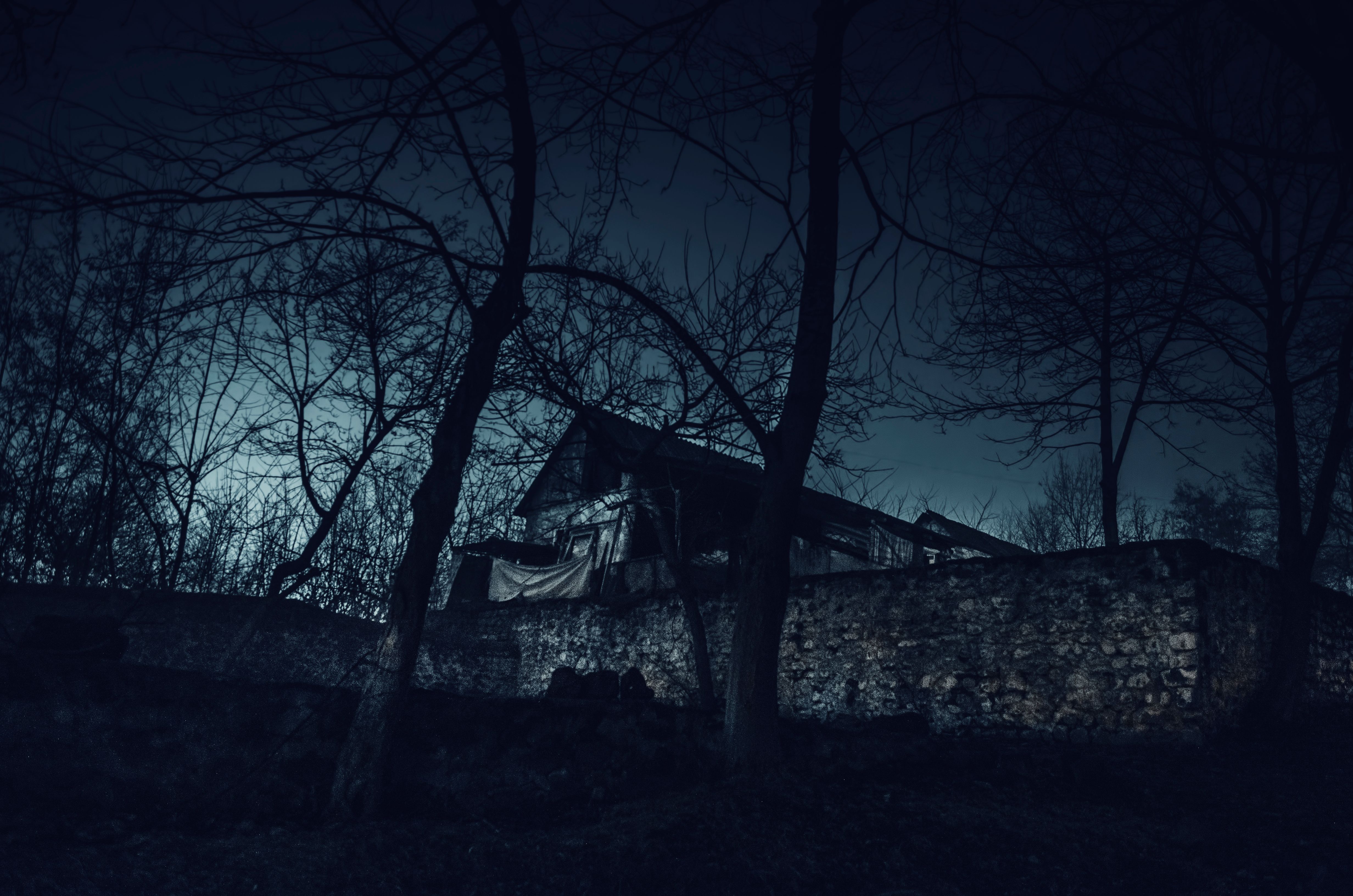
Places, especially, hold this kind of weight. A house can absorb what happens inside it — the grief, the guilt, the things left unsaid. Over time, it stops being a setting and becomes a witness. Not an active one. Just present. Remembering. Waiting.
Families do something similar.
They carry patterns forward. They pass down habits, resentments, and omissions as naturally as names. In my work, horror often emerges not from a single act, but from what is inherited and never questioned. The unspoken rule. The avoided room. The truth everyone senses but no one names.
Time, too, rarely behaves in a straight line. Memory bends it. Trauma fractures it. In my stories, the past is never fully past — it leaks into the present, distorts it, presses against it until something gives.
I don’t write horror to frighten.
I write it to examine what lingers.
To explore the spaces between what we know and what we admit. To sit with discomfort rather than resolve it too quickly. To let the reader feel that subtle, persistent unease — the sense that something has been wrong for a long time, and that acknowledging it may be worse than ignoring it.
Some stories don’t end.
They settle.
Some stories don’t end.
They learn how to wait.