Some Houses don't let go
"On architecture, memory, and quiet horror"
There are houses you leave behind — and houses that follow.
You can walk out the door, lock it, move cities, change names. Still, something remains lodged in the back of your thoughts: the way the air felt heavier in certain rooms, the floorboard you learned to avoid, the window no one ever opened.
Not every house is haunted.
But some are aware.
Architecture is often treated as neutral — walls, doors, rooms arranged for function. Yet anyone who has lived long enough in one place knows better. A house absorbs the rhythms of the people inside it. Their grief. Their arguments. Their silences. Over time, it stops being an empty container and becomes a record.
This is where quiet horror lives.
Not in sudden violence, but in accumulation.
A staircase worn down by pacing.
A bedroom kept closed long after it’s emptied.
A smell that returns without explanation.
Absence leaves marks just as clearly as presence does.
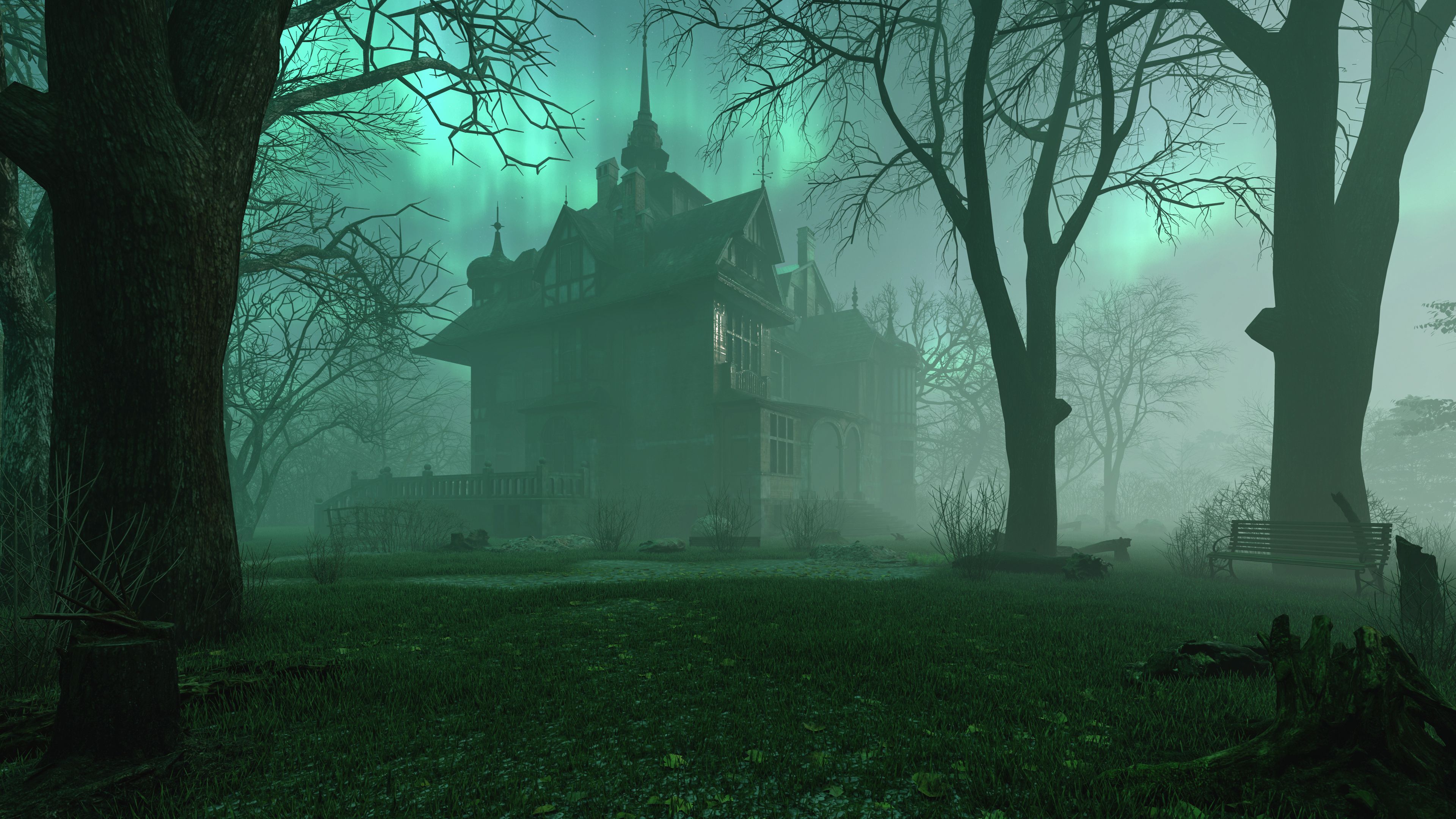
In many families, houses become repositories of what couldn’t be spoken. They hold the weight of decisions made too quickly, truths buried for convenience, moments everyone agreed to forget. The building stands while generations pass through it, learning instinctively which spaces feel wrong — even if no one tells them why.
Children sense this first.
They understand when a room should be avoided, when a door should stay shut, when something about a place feels watchful. They may not have language for it, but they recognize it all the same. By the time they learn to rationalize, the house has already taught them what to fear.
That fear doesn’t always announce itself.
Sometimes it’s just discomfort.
A hesitation.
A feeling that something is being observed — not actively, not maliciously, but persistently.
As if the house remembers more than you do.
This is why houses recur so often in gothic horror. Not because they creak or crumble, but because they endure. They outlast the people who tried to control the narrative inside them. They remain when excuses fade. They hold contradictions without resolving them.
A house doesn’t need to act.
It only needs to remember.
Perhaps that’s why we return to them in stories — not to escape, but to listen. To trace the outline of what was never addressed. To stand in a doorway and acknowledge that some places don’t loosen their grip simply because we’ve left.
Some houses don’t let go.
They wait.
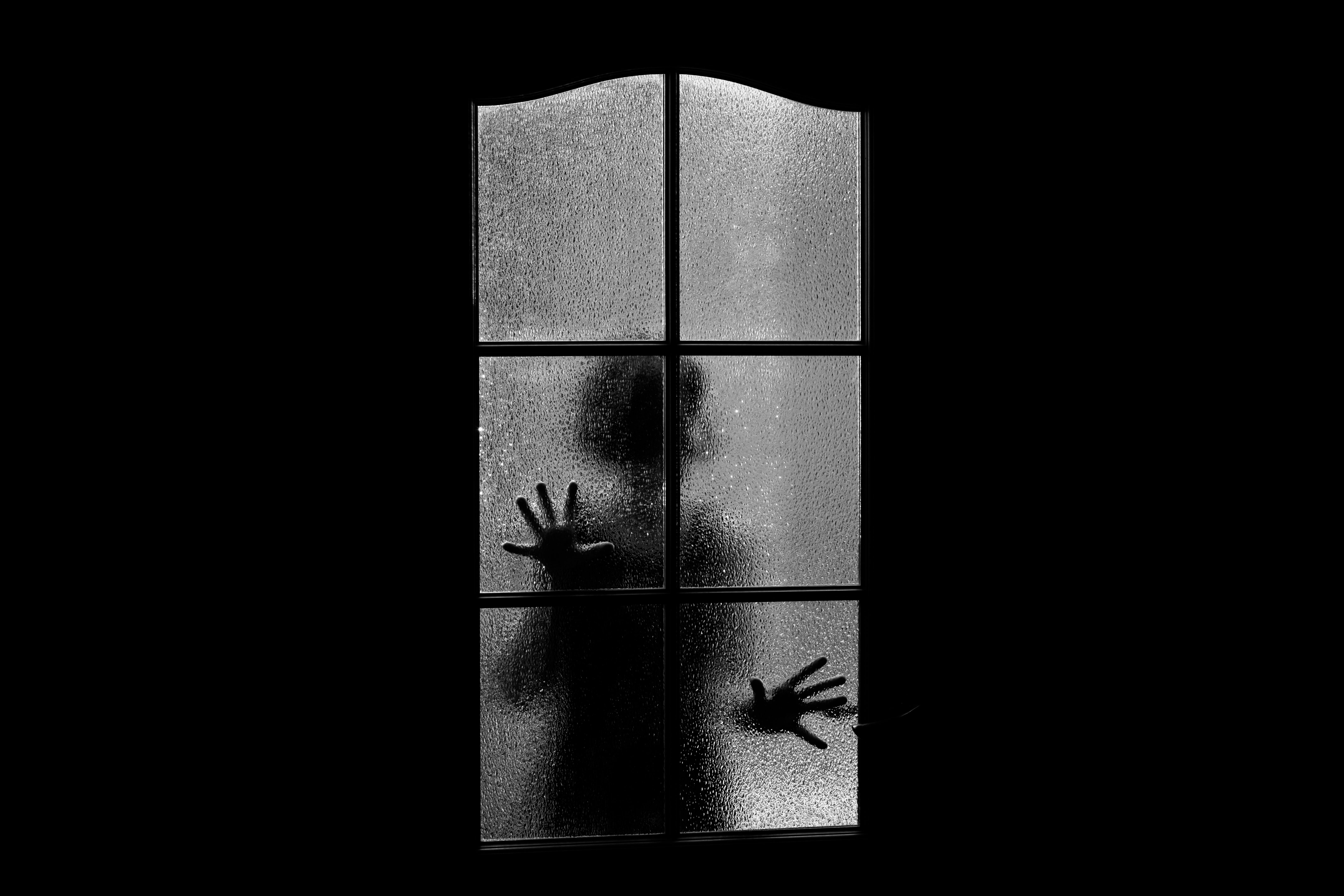
Houses remember what people try to forget.